Watch the timestamped video – CLICK ABOVE
Please subscribe to the channel so you don’t miss an episode—benefiting you and your pets! You’re helping grow the community and channel (your likes, shares, and subscribes help the YT algorithm show the channel to more people), which I sincerely appreciate!


🐾 Note: This video is not intended as a substitute for veterinary care. If your pet has behavioral or health issues, consult your veterinarian.
Decoding Your Bunny's Behavior: Expert Insights from Fiona Murphy, The Bunny Coach
Have you ever wondered what your rabbit is really trying to tell you? Whether it’s odd behavior, sudden mood changes, or things you just can’t figure out—there’s always a reason. Today, we’re diving deep into the world of rabbit behavior with Fiona Murphy, also known as “The Bunny Coach,” a rabbit behavior specialist who has dedicated her life to helping families understand and overcome common bunny challenges with compassion and expertise.
The Journey to Becoming a Bunny Behavior Expert
Fiona’s path to becoming a rabbit behavior specialist evolved organically from a lifelong passion. As she describes it, “I’ve been a bunny slave my entire life.” What started as a simple solution to a vacation pet-sitting problem in 2014 has transformed into The Rabbit Rooms—a comprehensive boarding facility in Dublin, Ireland, specializing in rabbits, guinea pigs, and other small animals.
The turning point came in 2016 when a customer asked if she could bond two fighting rabbits. Though she knew the theory, she’d never done it practically. That successful first bonding led to a specialized service that has now helped over 270 rabbit pairs find harmony together.
During COVID, Fiona expanded her expertise even further, offering phone consultations and creating online classes. Today, her bunny club provides on-demand education, a supportive community, and live events featuring veterinary experts—all designed to help rabbit parents deepen their understanding and strengthen their bonds with their furry companions.
The Challenge Most Rabbit Parents Face
One of the most common and heartbreaking scenarios Fiona encounters involves what’s called a “baby bond.” Many well-meaning families purchase or adopt two baby rabbits together, assured they’ll be companions for life. The bunnies get along beautifully—until hormones kick in.
"Boy rabbits particularly will 99.99% of the time fall out, and they can really injure each other," Fiona explains. "Those little balls of fluff can be very, very vicious."
The Bunny Coach - Fiona Murphy Tweet

What makes this situation especially challenging is that rabbits can escalate from peaceful coexistence to full-blown fighting with little warning. Even more surprising? Rabbits hold grudges—and they remember far better than elephants do.
The solution requires neutering both rabbits, waiting eight weeks for hormones to settle, and then going through a careful re-bonding process. Approximately 60% of the bonds Fiona facilitates are actually re-bonding situations where former baby companions need to relearn how to live together as adults.
Recognizing When Your Bunny Is Stressed or Unhappy
Understanding your rabbit’s emotional state is crucial for their wellbeing. Here are key signs to watch for:
Aggression
Sudden aggression often stems from hormonal changes. Rabbits who were once sweet and cuddly can seemingly undergo a personality transplant overnight, lunging at hands entering their space. This dramatic shift typically indicates hormones have kicked in and neutering is needed.
Physical Stress Signals
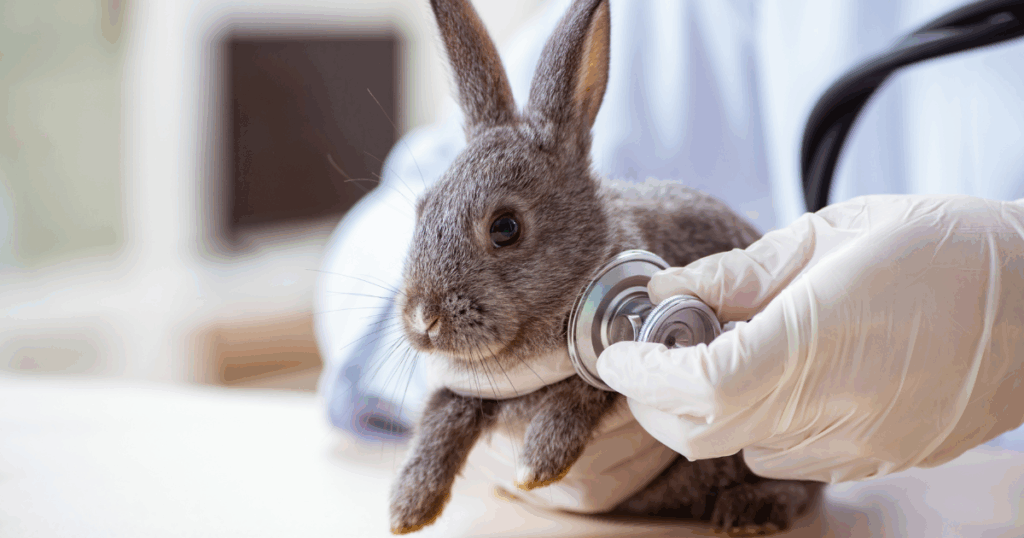
A stressed rabbit may sit hunched in a corner, sometimes staring at the wall. However, this behavior can also indicate illness—rabbits are masters at hiding pain and discomfort until it’s sometimes too late.
The Importance of Weekly Health Checks
Fiona strongly recommends conducting weekly healthcare checks, which requires training your rabbit to accept being picked up. Despite popular online advice against handling rabbits, she advocates for gentle, confident handling.
“A lot of them actually do quite like a cuddle,” she notes. “When we pick them up because we’re confident about it, a lot of the rabbits kind of snuggle into us and are loving that cuddle.”
During these weekly checks, examine:
- Teeth alignment and condition
- Ears for signs of mites or infection
- Skin for cuts, lumps, or bumps
- The genital area for cleanliness
- Overall body condition
Understanding Gut Stasis: A Medical Emergency
One of the most serious conditions rabbit owners must understand is gut stasis—when the digestive system slows or stops. Rabbits’ digestive systems must constantly move, with food going in one end and waste coming out the other. If either stops, the rabbit can die within hours.
Watch for:
- Decreased or stopped eating
- Reduced or absent droppings
- Hunched posture
- Lethargy
What makes this situation especially challenging is that rabbits can escalate from peaceful coexistence to full-blown fighting with little warning. Even more surprising? Rabbits hold grudges—and they remember far better than elephants do.
The solution requires neutering both rabbits, waiting eight weeks for hormones to settle, and then going through a careful re-bonding process. Approximately 60% of the bonds Fiona facilitates are actually re-bonding situations where former baby companions need to relearn how to live together as adults.
Recognizing When Your Bunny Is Stressed or Unhappy
Understanding your rabbit’s emotional state is crucial for their wellbeing. Here are key signs to watch for:
Aggression
Sudden aggression often stems from hormonal changes. Rabbits who were once sweet and cuddly can seemingly undergo a personality transplant overnight, lunging at hands entering their space. This dramatic shift typically indicates hormones have kicked in and neutering is needed.
Physical Stress Signals
A stressed rabbit may sit hunched in a corner, sometimes staring at the wall. However, this behavior can also indicate illness—rabbits are masters at hiding pain and discomfort until it’s sometimes too late.
The Importance of Weekly Health Checks
Fiona strongly recommends conducting weekly healthcare checks, which requires training your rabbit to accept being picked up. Despite popular online advice against handling rabbits, she advocates for gentle, confident handling.
“A lot of them actually do quite like a cuddle,” she notes. “When we pick them up because we’re confident about it, a lot of the rabbits kind of snuggle into us and are loving that cuddle.”
During these weekly checks, examine:
- Teeth alignment and condition
- Ears for signs of mites or infection
- Skin for cuts, lumps, or bumps
- The genital area for cleanliness
- Overall body condition
Understanding Gut Stasis: A Medical Emergency
One of the most serious conditions rabbit owners must understand is gut stasis—when the digestive system slows or stops. Rabbits’ digestive systems must constantly move, with food going in one end and waste coming out the other. If either stops, the rabbit can die within hours.
Watch for:
- Decreased or stopped eating
- Reduced or absent droppings
- Hunched posture
- Lethargy
Common Behavioral Challenges and Solutions
The Chewing Problem
Rabbits have a natural instinct to dig and chew—which can spell disaster for furniture, baseboards, and particularly electrical wires (affectionately called “spicy hay” in the rabbit community).
The Solution: Rather than trying to eliminate this natural behavior, redirect it:
- Provide safe chew toys and branches
- Create designated dig boxes filled with safe materials
- Use wire covers and furniture protectors
- Increase hay consumption—recent studies show rabbits that eat adequate hay (a ball the size of their body daily) tend to chew destructively less
Litter Training Success
Despite their small size, rabbits are naturally clean animals and can be successfully litter trained, especially after neutering. Many of Fiona’s clients have free-roaming house rabbits that use litter boxes reliably.
Key tips:
- Use wood pellets or paper pellets (never clumping clay litter, which can cause fatal blockages if ingested)
- Consider puppy pads topped with hay
- Remember that neutering significantly improves litter training success by reducing territorial marking
Picky Eating and Diet
Rabbits can be surprisingly stubborn about food, but proper nutrition is non-negotiable for their health.
Essential dietary guidelines:
- Hay should comprise at least 80% of their diet—a ball the size of their body daily
- Avoid muesli mixes that allow selective feeding; use pellets instead
- Never feed corn on the cob—it cannot be digested and causes blockages
- Introduce vegetables slowly and one at a time
- Rotate vegetables regularly to prevent calcium buildup from foods like kale
- Provide water in bowls rather than bottles to encourage adequate hydration
“Their diet should be like at least 80% hay, so that keeps their digestive tract flowing properly because it’s full of fiber and also wears down their teeth, which are constantly growing.”
The Teeth Issue: A Lifelong Consideration
Rabbit teeth grow continuously throughout their lives, which creates unique care requirements. The back teeth can develop spurs or misalignments, while front teeth may grow at incorrect angles—particularly in mixed-breed rabbits where head shape varies.
Adequate hay consumption naturally wears teeth down through grinding action. However, some rabbits have genetic predispositions to dental issues and may require:
- Regular veterinary teeth trimming
- Front tooth removal (rabbits can adapt to eating without them)
- Dental work under sedation for back teeth
Are Rabbits Right for Your Family?
When considering rabbits as family pets, particularly for young children, Fiona offers candid advice: “I think you have to really want the rabbit because there’s an awful lot of work in them.”
Important considerations:
- Rabbits can live 10-12 years—longer than many families anticipate
- Daily care cannot be delegated entirely to children
- The adult must be prepared to be the primary caretaker
- Small children may not recognize stress signals or handle rabbits appropriately
That said, rabbits can be wonderful for children’s mental health and development when the entire family commits to their care. Fiona’s own daughters grew up with rabbits and would turn to them during stressful times for comfort.
The Adoption Advantage
Currently, Fiona strongly advocates “adopt, don’t shop” due to the worldwide rabbit dumping crisis that followed COVID-19 breeding surges.
Benefits of adoption:
- Rabbits are typically already neutered and vaccinated
- More cost-effective than purchasing from breeders
- Rescue organizations help match rabbits to families
- Ongoing support often available
- Many shelter rabbits are surprisingly sweet-natured despite their circumstances
Reputable rescues will take rabbits back if circumstances change, providing a safety net that breeders rarely offer.
Strengthening Your Bond with Your Bunny
Building a deep connection with your rabbit requires patience, observation, and dedicated time.
Bonding strategies:
- Spend floor time together: Sit on the floor reading or watching TV, allowing your rabbit to approach on their terms
- Observe their behavior closely: Learning to read rabbit body language reveals what they’re thinking and feeling
- Provide enrichment: Baby toys like stacking cups (filled with pellets) and plastic key chains engage their playful nature
- Teach tricks: Mental stimulation through training strengthens your bond
- Be consistent with routine: Rabbits thrive on predictability
- Offer appropriate treats: Small rewards during positive interactions build trust
“A lot of it is spending time with your bunny and watching their behaviors. Sitting on the floor with your rabbit and spending time with them, even if you’re just sitting on the floor watching TV or reading a book, letting the rabbit come to you on their own terms.”
The Companionship Question
While rabbits should ideally live in bonded pairs, this isn’t always feasible for every family. Rabbits living as singles in homes where they receive substantial human interaction and are treated as family members can live happy, fulfilled lives.
The bonding process requires significant time, space, money, and expertise. For some situations—such as elderly rabbits or families with limited resources—a single, well-loved rabbit may be the most practical choice.
However, when rabbits do bond successfully, the result is magical: grooming, snuggling, and communicating in ways only rabbits understand.
Living with Other Pets
Rabbits can coexist peacefully with dogs and cats—often becoming the boss of the household. Careful introductions are essential, but many families successfully maintain multi-species homes where animals form genuine attachments to each other.
Fiona notes that rabbits boarding at her facility sometimes miss their dog or cat friends, highlighting how these cross-species bonds can become integral to a rabbit’s routine and emotional wellbeing.
The Pet Shop Problem
When asked about purchasing rabbits from pet shops, Fiona’s response is clear: it’s problematic for multiple reasons.
Concerns include:
- Inadequate space for months at a time
- Limited exercise and socialization
- Insufficient staff knowledge about proper care
- Impulse purchases without proper education
- Sale of inappropriate supplies (muesli food, dangerous treats, undersized cages)
- Genetic issues from irresponsible breeding
- Rabbits returned multiple times, causing emotional distress
Final Wisdom from The Bunny Coach
Throughout our conversation, several themes emerged consistently:
- Education is essential before bringing rabbits home
- Hay is the foundation of rabbit health—never compromise on quantity
- Weekly health checks catch problems early when rabbits hide illness
- Bonding requires expertise—seek help from professionals or rescues
- Rabbits are complex creatures deserving of informed, committed care
Fiona’s work demonstrates that with proper understanding, patience, and support, the challenges of rabbit ownership transform into opportunities for profound interspecies connection.
Whether you’re considering adopting your first rabbit, struggling with behavioral issues, or simply wanting to deepen your bond with your current bunny, remember that these sensitive, intelligent creatures have so much to teach us—if we’re willing to learn their language.
About Fiona Murphy: Fiona Murphy, known as The Bunny Coach, runs The Rabbit Rooms in Dublin, Ireland, offering boarding, bonding services, and expert education through her online platform, Fiona’s Happy Bunny Club. With over 270 successful rabbit bonds and years of dedicated observation, she’s become a trusted resource for rabbit parents worldwide.
Learn More: Visit Fiona’s Website for on-demand classes, community support, and expert guidance on all aspects of rabbit care and behavior.
If you found this article helpful, please subscribe to our channel and share it with other rabbit parents who might benefit from Fiona’s expertise.
Conclusion
Animal Communication Consultations With Anne Angelo Webb
When pets act strangely, it’s rarely “just a phase.” More often, they’re communicating—whether it’s stress from environmental changes or mirroring our own emotional or physical state. By listening, observing, and practicing animal communication techniques, you can strengthen your bond and help your pet return to a state of balance.
Learn To Communicate With Animals
Animal Intuitive® Academy
Hi, I’m Anne Angelo Webb, The Animal Intuitive—owner of Intuitive Touch Animal Care and the Animal Intuitive Academy.
I’m nationally board certified in animal acupressure and massage, a professional animal communicator and instructor, and a Licensed Clinical Social Worker who now specializes in hypnosis and brainspotting.
For over 20 years, I’ve been helping animals and the people who love them feel more connected—whether through consultations, education, or creative projects like my children’s book and companion album.
I love empowering pet parents like you to support your animals’ emotional and physical well-being from home.
Special Offer: 10% Off All Digital Products, Including Animal Communication & Acupressure Courses and Hypnosis for Animal Communicators
To help deepen your intuitive bond with your animal, I’ve created a brand-new hypnosis audio:
Hypnosis for Confidence and Releasing Doubt in Telepathic Animal Communication—enhanced with binaural beats.
👉Get your 10% off all digital products offer HERE
50% of proceeds benefit retired military K9s through The Warrrior Dog Foundation
Meesha’s Heart Adventure is a beautifully crafted story that entertains and educates children about resilience, courage, and the deep connections we share with animals. The author’s expertise as a Licensed Clinical Social Worker and animal communicator shines through, offering gentle guidance on managing fears, building confidence, and understanding the unspoken bond between humans and animals.
Kristen T.
Animal Intuitive Academy offers courses to deepen your skills, and you can start today with my digital course, Animal Communication, Acupressure, and Mindfulness!